Pakistan Rejects Trump's Abraham Accords Push, Defying US Pressure
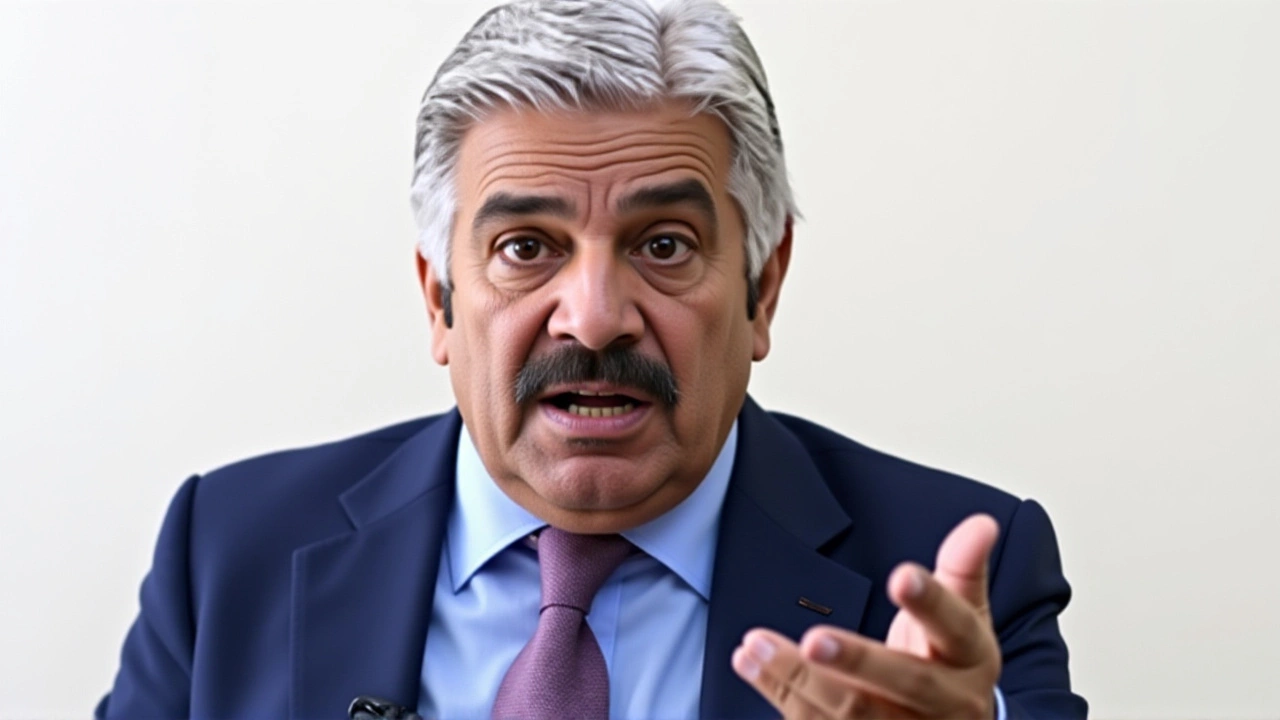
When Khawaja Mohammad Asif, Defense Minister of Pakistan, publicly rejected the invitation to join the Abraham Accords, he didn't just say no—he slammed the door shut. The move comes as a direct rebuke to Donald Trump, President of the United States, who had been aggressively lobbying Muslim-majority nations to normalize ties with Israel. Here’s the thing: this isn’t just diplomatic politeness gone wrong. It’s a calculated stance that challenges Washington’s broader Middle East strategy.
The rejection happened swiftly after Trump urged countries involved in peace talks with Iran to sign on. He made it clear: if you want a seat at the table for any potential US-Iran deal, you need to be part of the Abraham Accords framework. But Pakistan? They weren’t having it. Asif stated plainly that he is "not in favor of joining the Abraham Accords to normalize relations with Israel." No hedging. No vague diplomatic language. Just a straight refusal based on what he called Pakistan’s "fundamental" ideological position.
The Stakes Are Higher Than You Think
To understand why this matters, you have to look at the bigger picture. The Abraham Accords, brokered by the US under Trump’s previous term, successfully brought the United Arab Emirates and Bahrain into formal diplomatic, economic, and security partnerships with Israel. Now, Trump wants to expand that circle. His target list includes Saudi Arabia, Qatar, Turkey, Egypt, Jordan, and yes—Pakistan.
But wait. Why link Pakistan, a South Asian nuclear power, to a Middle East peace initiative? Turns out, Trump sees these agreements as leverage. His message was blunt: countries that don’t normalize ties with Israel won’t be included in any future US-Iran negotiations. It’s a classic transactional approach. Join the club, or get left out of the next big deal. For Pakistan, however, the cost of joining seems too high.
Pakistan’s Red Line: Ideology Over Diplomacy
Asif’s comments reveal a deep-seated resistance within Islamabad. He noted personally that he doesn’t believe Pakistan should join an agreement that contradicts its foundational principles. While the transcript cuts off there, the implication is clear: normalizing relations with Israel is viewed by many in Pakistan not just as a political choice, but as a betrayal of core national identity tied to the Kashmir issue and broader Muslim solidarity.
This isn’t new territory. Pakistan has long maintained a stance against recognizing Israel until a comprehensive resolution to the Palestinian conflict is reached. Unlike the UAE or Bahrain, which prioritized economic diversification and security cooperation with Israel, Pakistan faces immense domestic pressure from religious groups and political factions who view any outreach to Jerusalem as unacceptable.

Trump’s Strategic Gamble
For Trump, the Abraham Accords are more than a foreign policy win—they’re a legacy project. He views them as the cornerstone of regional stability, arguing that shared security interests among Arab states and Israel can contain Iranian influence. By tying participation in US-Iran talks to Accords membership, he’s trying to force alignment. If Saudi Arabia or Qatar joins, it reshapes the entire geopolitical landscape. If they don’t, the US loses a key tool for pressuring Tehran.
Interestingly, Trump has declared preventing Iran from obtaining nuclear weapons as America’s top priority. This creates a paradox: he needs Arab cooperation to isolate Iran, yet demands they embrace Israel first. Pakistan’s rejection highlights the fragility of this strategy. You can’t mandate ideology through diplomacy, especially when domestic politics run counter to external pressures.
Ripple Effects Across the Region
The implications extend beyond Islamabad. Other hesitant nations like Turkey and Egypt may now feel emboldened to resist similar pressure. Turkey, already critical of Israeli policies, has consistently refused normalization. Egypt and Jordan, though existing peace treaty holders, haven’t joined the Accords formally and maintain cautious distances. Pakistan’s firm stance could encourage others to hold their ground rather than cave to US demands.
Moreover, this moment underscores the limits of American soft power. Even with significant military aid and trade incentives, Washington can’t easily override deeply held national narratives. In Pakistan’s case, the narrative is rooted in decades of state-building around Islamic identity and opposition to Zionism. That doesn’t shift because of a phone call from the White House.

What Comes Next?
The details are still unclear regarding how Washington will respond. Will Trump double down, offering carrots like increased defense sales or debt relief? Or will he accept the setback and focus on other partners? One thing is certain: the path forward requires nuance. Blanket ultimatums rarely work in complex regions where history, religion, and geopolitics intersect.
Background context matters here too. Pakistan has historically balanced relations between the US, China, and regional powers. Its strategic autonomy is prized. Joining the Abraham Accords would mean aligning closely with US-Israeli interests, potentially straining ties with Iran, China, and Gulf states that oppose such moves. Islamabad likely calculated that the risks outweighed the rewards.
Frequently Asked Questions
Why did Pakistan reject the Abraham Accords?
Pakistan rejected the Accords due to fundamental ideological objections to normalizing relations with Israel. Defense Minister Khawaja Asif cited national principles and the unresolved Kashmir issue as key reasons, reflecting widespread domestic sentiment against recognizing Israel without a Palestinian solution.
How does this affect US-Pakistan relations?
The rejection strains diplomatic efforts led by President Trump, who linked Accords membership to inclusion in potential US-Iran deals. However, it also reinforces Pakistan’s commitment to strategic autonomy, signaling that Islamabad won’t compromise core positions for short-term gains.
Which countries are already part of the Abraham Accords?
Currently, the United Arab Emirates and Bahrain are signatories. Both established full diplomatic, economic, and security ties with Israel under the framework brokered by the US during Trump’s first term.
What happens if other Muslim-majority countries refuse to join?
If nations like Saudi Arabia or Turkey follow Pakistan’s lead, Trump’s strategy to use the Accords as leverage in Iran negotiations weakens significantly. It suggests limited success in forcing ideological alignment across diverse regional actors.
Is this decision reversible?
Unlikely in the near term. Given strong public and political opposition in Pakistan, reversing course would require massive internal shifts or unprecedented external incentives, neither of which appear imminent.